Valuable information, resources, and directories to help AHJs enforce regulations and ensure public safety.
Ensuring life safety and security compliance begins with a clear understanding of Authorities Having Jurisdiction (AHJs). AHJs play a critical role in enforcing building codes, fire codes, zoning requirements, and safety regulations across local, regional, and national levels. Their oversight helps ensure that facilities, systems, and equipment meet the standards required for safe operation and regulatory approval.
An Authority Having Jurisdiction is any governmental or recognized non-governmental organization responsible for reviewing, approving, and enforcing compliance with applicable safety and building regulations. AHJs frequently include building departments, fire marshals, zoning boards, code enforcement offices, and other regulatory bodies tasked with evaluating plans, issuing permits, conducting inspections, and ensuring adherence to safety codes.
These agencies hold the authority to issue approvals, mandate corrections, or enforce stop work orders when compliance issues arise, helping minimize risk and safeguard people, property, and communities.
Why are AHJs Essential to the Life Safety & Security industry?
AHJs help establish and maintain safe built environments through:
- Code Enforcement: Ensuring compliance with building, fire, and electrical safety requirements.
- Hazard Prevention: Reducing risks of fires, equipment failures, and structural hazards by holding designers, builders, and owners accountable
- Professional Guidance: Supporting project teams with insights into local regulations, documentation requirements, and the permitting process
- Community Safety & Trust: Building confidence through consistent inspection, oversight, and regulatory accountability
AHJs and the National Electrical Code (NEC)
The National Electrical Code (NEC)—officially known as NFPA 70—is the primary electrical safety standard in the United States. It is developed and maintained by the National Fire Protection Association (NFPA) and establishes minimum requirements for the safe installation of electrical wiring, equipment, and systems in residential, commercial, and industrial buildings. Compliance with the National Electrical Code (NFPA 70) is a foundational requirement for safe electrical system installation. AHJs rely on recognized safety marks, such as Intertek’s ETL Mark, to validate that electrical products meet applicable standards and can be approved for use within their jurisdiction.
What Role does the ETL Mark play in AHJ Approval?
The ETL Mark signifies that a product has been independently tested and certified to the relevant U.S. and Canadian safety standards. AHJs across North America routinely accept the ETL Mark as proof of compliance, supporting faster approvals and smoother inspections.
Intertek’s global network of laboratories and accreditations, including OSHA recognition as a Nationally Recognized Testing Laboratory (NRTL), ensures that manufacturers can bring compliant, code ready products to market efficiently.
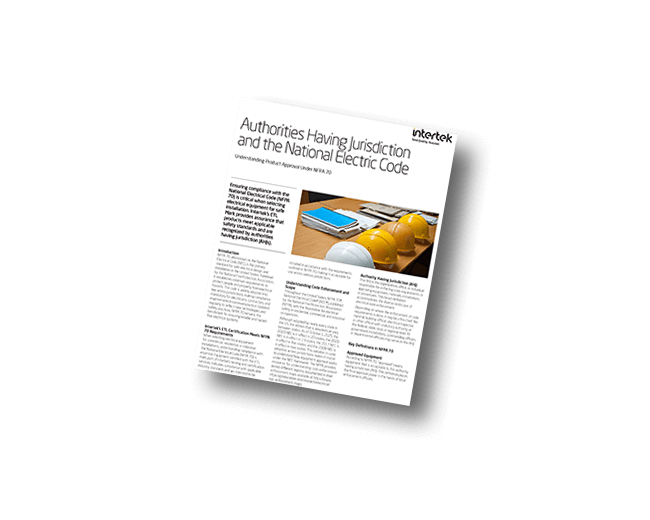
Authorities Having Jurisdiction and the National Electric Code | Fact Sheet
Ensuring compliance with the National Electrical Code (NFPA 70) is critical when selecting electrical equipment for safe installation. Intertek’s ETL Mark provides assurance that products meet applicable safety standards and are recognized by authorities having jurisdiction (AHJs).
Navigating Acceptance with Authorities Having Jurisdiction (AHJs) | Webinar
Learn practical strategies for navigating Authority Having Jurisdiction (AHJ) acceptance challenges in the life safety & security industry, even when using NRTL-certified products.
Authorities Having Jurisdiction (AHJ) Resources
As an AHJ, you have many responsibilities but finding the information you need shouldn't be a challenge. That's where Intertek comes in. As your trusted partner, we provide easy access to a wide range of resources, ensuring you have the information you need to support your work efficiently.




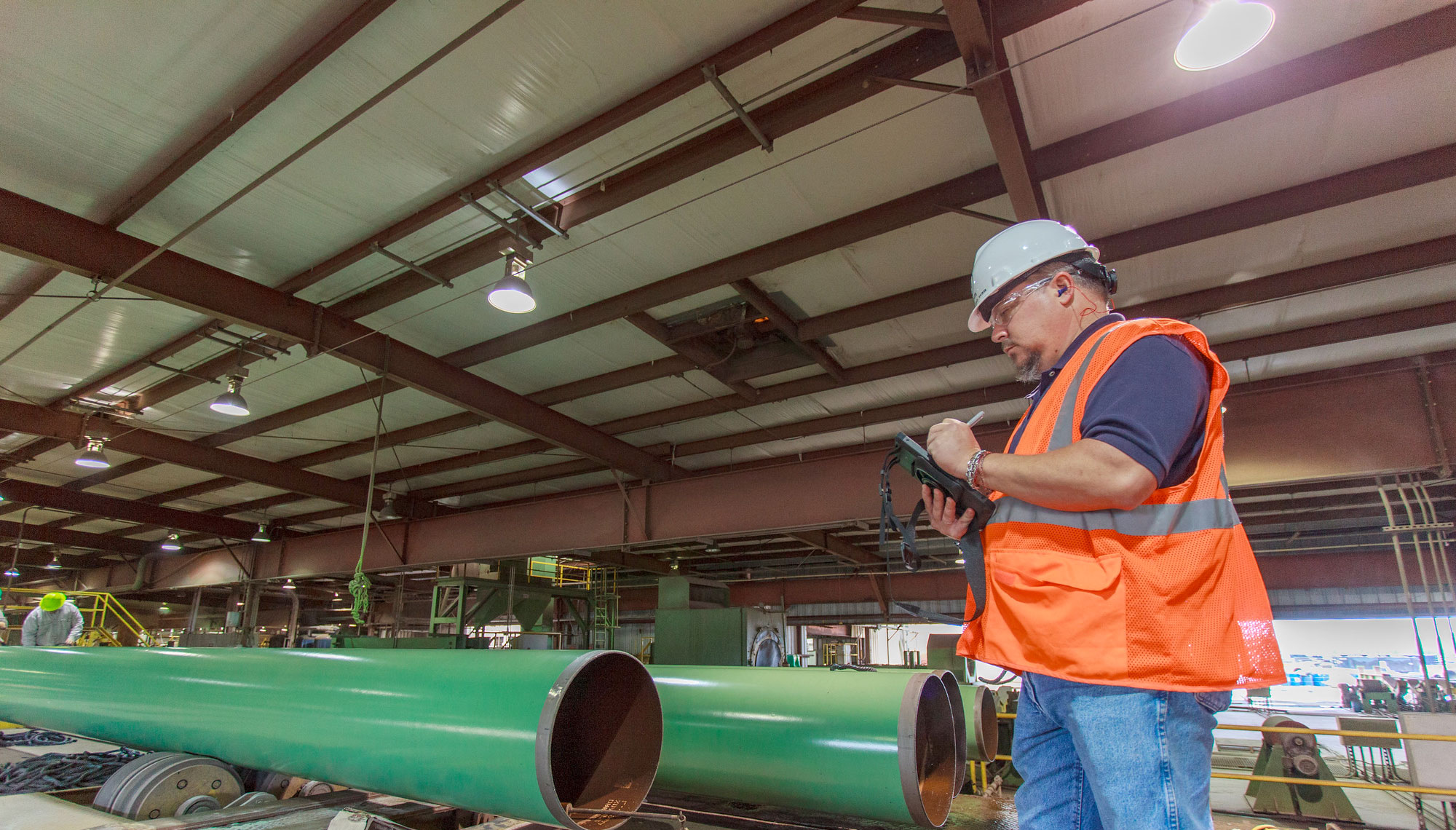

Understanding AHJs and the most Frequently Asked Questions about them
Navigating the complex landscape of safety codes and compliance is essential for any construction or installation project.
An Authority Having Jurisdiction (AHJ) is an organization, office, or individual responsible for enforcing code requirements and approving equipment, materials, and procedures. This role is diverse; it includes local fire marshals and building inspectors, state health departments, federal agencies, and even private entities like insurance companies or accreditation agencies.
AHJs act as the gatekeepers of public safety. Their core duties include enforcing adopted codes, such as the National Electrical Code (NEC), reviewing and approving building plans, and issuing formal permits. They also conduct critical onsite inspections to verify that installations match approved plans and meet rigorous safety standards.
They review drawings, issue permits, conduct inspections, and verify compliance before granting occupancy or operational approval.
Their oversight ensures that facility designs and installations meet regulatory, structural, and operational safety requirements.
Since no central database exists, you must identify your AHJ by first categorizing your project as electrical, fire, or construction related. Consult local government "blue pages" or websites to find relevant building departments. Often, the most efficient method is asking local general contractors or engineers who frequently navigate these specific agencies.
Yes, requirements frequently vary because AHJs have the power to adopt local amendments to standard building codes. This means a project design that is perfectly compliant in one town might face different restrictions or additional safety mandates in the next town over, making it vital to confirm local rules early.
In scenarios where a standard has not been formally adopted by law, the responsibility shifts to the owner or employer. Under standards like NFPA 70E, the owner must designate an AHJ to ensure safety compliance. This ensures that even in "unregulated" niches, a qualified entity is overseeing safety protocols.
AHJs reference third party certifications, such as ETL, to validate compliance with NFPA 70 and ensure safe installation of electrical equipment.
The ETL Listed Mark verifies that equipment has been evaluated to applicable safety standards and is accepted by AHJs throughout the U.S. and Canada.
They may issue corrections, citations, stop work orders, or mandate reinspection to verify that deficiencies have been resolved.
Manufacturers can streamline acceptance by:
- Using NRTL certified products (such as ETL listed equipment),
- Maintaining documentation packages,
- Providing installation manuals and test data, and
- Ensuring equipment suitability under NEC, NFPA, and local code provisions.
AHJs rarely test products themselves; instead, they rely on third party certification marks such as ETL, UL, or FM. If a product is "listed" and has been tested by an accredited laboratory, the AHJ can approve it with confidence, knowing it meets the rigorous safety standards required for installation.
The biggest hurdles include managing multiple jurisdictions for a single large project and navigating "interpretation discrepancies," where different officials read the same code differently. Additionally, the strict nature of these reviews can sometimes lead to scheduling delays, which can impact the overall timeline of a construction or installation project.
Modern technology is increasingly aiding the process through AI based plan review systems. These tools help catch errors early and manage high workloads for busy departments. While these digital tools accelerate initial reviews and improve accuracy, they serve as assistants rather than replacements for the final authority of the human official.
Related Links
16 Dec 2025
Understanding AHJ Approval: How Equipment is Inspected in the U.S.
Ensuring the Safety and Reliability of Electrical Installations
Learn More – Visit our Knowledge Center
For expert papers, recordings, and presentations, visit our Life Safety and Security Resources hub.
- Life Safety & Security Standards Updates Reference Guide
- Alyssa's Law: LSS Product Approval - fact sheet
- Life Safety & Security Testing, Certification, and Compliance Solutions- fact sheet
- Alarm Service Certification Program - webinar
- ETL Certification Mark: Assurance of Compliance to National Standards - fact sheet
- Vape Detection Sensors: A Holistic Testing Approach - fact sheet
- 10 Considerations for an Efficient Product Approval - fact sheet
- Becoming a Listed Alarm Service Company - white paper
- Testing and Certification of Heat Alarms and Detectors - fact sheet
- Product Listing & Marking Strategies - white paper
- Becoming a Listed Central Station - white paper

Learn more about our ETL Mark
and certification from Intertek